
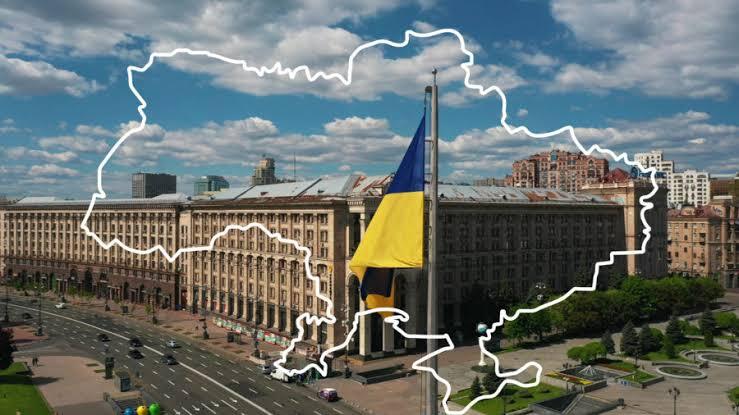
Four years after Russia launched its full-scale invasion, Ukraine faces a challenge unlike any modern European nation has encountered in generations. It is defending its sovereignty on the battlefield while simultaneously attempting to rebuild homes, schools, hospitals, energy infrastructure, and businesses destroyed by war. At the same time, the country is carrying out ambitious democratic reforms, preparing for European Union membership, and trying to convince international investors that Ukraine is not only worth supporting, but worth investing in.
This is why Ukraine’s recovery has become about far more than reconstruction.
Around the world, post-war recovery is often measured in financial terms: billions of dollars pledged, infrastructure projects completed, or kilometers of roads rebuilt. Those numbers matter, especially when the latest estimates place Ukraine’s long-term reconstruction needs at nearly $588 billion. Yet they tell only part of the story. The real measure of success will be whether Ukraine can emerge from this war with stronger institutions, a more competitive economy, greater public trust, and a society resilient enough to withstand future crises.
That broader vision increasingly shapes international discussions about Ukraine’s future.
The Ukraine Recovery Conference (URC 2026), held in Gdańsk, offered another reminder that rebuilding Ukraine is no longer viewed simply as a humanitarian or infrastructure challenge. Bringing together more than 7,500 participants from 115 delegations, including representatives of 40 governments, international financial institutions, businesses, local authorities, and civil society organizations, the conference reflected a growing international consensus: recovery must go hand in hand with economic modernization, democratic governance, and long-term investment. More than 200 agreements were announced, exceeding initial expectations and mobilizing over €10 billion for reconstruction and investment initiatives.
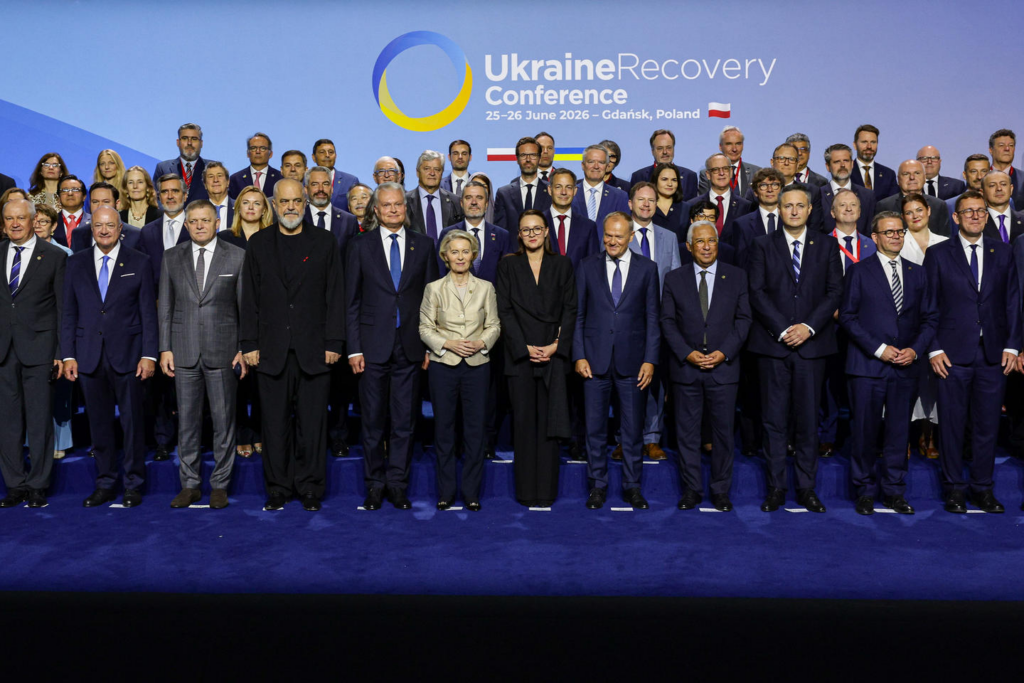
Yet perhaps the most important message from Gdańsk was not the amount of money pledged. It was the recognition that Ukraine cannot afford to postpone recovery until the war is over.
As experts have argued, reconstruction is already underway. Every restored power station, every reopened school, every new business, and every reform implemented today strengthens Ukraine’s ability to resist Russian aggression while laying the foundations for long-term economic growth. Waiting for a definitive end to the war would not only delay development—it would increase the cost of recovery and risk slowing the country’s momentum toward European integration.
This shift in thinking reflects an important reality. Recovery is no longer seen as the final chapter that follows peace. Instead, it has become an essential component of Ukraine’s wartime resilience. Investments in infrastructure, governance, local communities, and private enterprise are helping the country function under extraordinary circumstances while preparing for the future.
In many ways, Ukraine is attempting something unprecedented: fighting Europe’s largest war in decades while simultaneously building the institutions, economy, and governance systems of a future European Union member state. That combination makes reconstruction not simply a process of replacing what has been destroyed, but an opportunity to rethink how the country will develop for generations to come.
Recovery Is No Longer About Aid—It Is About Transformation
When the latest Rapid Damage and Needs Assessment (RDNA5) estimated that Ukraine will require nearly $588 billion for reconstruction and recovery over the next decade, the figure immediately made headlines. It is almost three times Ukraine’s projected GDP for 2025 and represents the largest reconstruction effort in Europe since the Second World War. Direct damage has already exceeded $195 billion, while urgent recovery priorities for 2026 alone require more than $15 billion.
These numbers are staggering. Yet they also risk creating the misleading impression that Ukraine’s recovery is primarily a financial challenge.
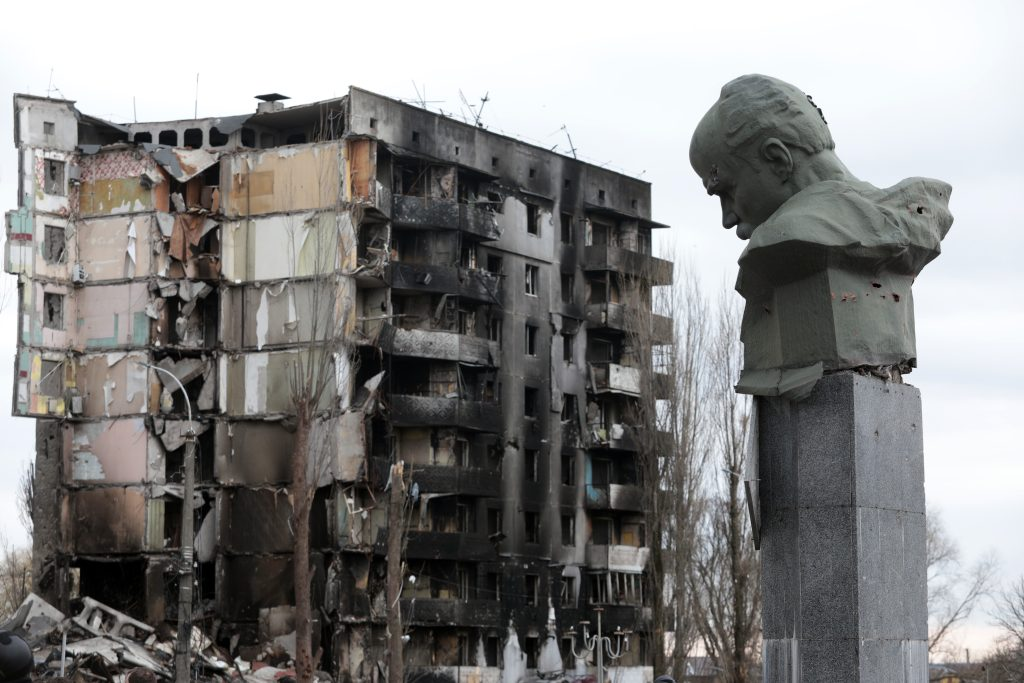
Money matters, but investment alone cannot rebuild a country.
International financial institutions increasingly argue that the greatest challenge is not raising additional funding—it is creating the conditions that allow investment to generate long-term economic growth.
As Anna Bjerde observed, despite the immense destruction caused by Russia’s invasion, Ukraine has demonstrated remarkable resilience. She emphasized that recovery should not simply restore what has been lost, but help create “a resilient, modern, and competitive economy.” That objective depends not only on reconstruction projects, but on stronger institutions, better governance, and a business environment capable of attracting both domestic and international investors.
This represents one of the most significant shifts in the international conversation about Ukraine.
In the first years of the full-scale invasion, discussions focused primarily on emergency assistance and humanitarian relief. Today, recovery is increasingly understood as an investment in Ukraine’s long-term future. Governments, development banks, and private investors are no longer asking only how to repair damaged infrastructure—they are asking whether Ukraine can build an economy that is more competitive, transparent, innovative, and better integrated into European markets than it was before the war.
That is precisely why reforms have become inseparable from reconstruction.
The European Union has made clear that financial support and Ukraine’s path toward membership go hand in hand with structural transformation. The Ukraine Facility, the EU’s €50 billion support programme for 2024–2027, is far more than a financial package. It is a roadmap for modernizing the Ukrainian state. Each stage of funding is linked to measurable progress in reforms that strengthen democratic governance, improve economic competitiveness, and align Ukrainian legislation with European standards.
Ukraine has already launched an ambitious reform agenda despite the ongoing war.
The government is continuing judicial reform by improving judicial selection procedures, strengthening the rule of law, and increasing the accountability of prosecutors. Anti-corruption remains another central priority, with efforts focused on reinforcing the independence and capacity of key anti-corruption institutions, implementing the National Anti-Corruption Strategy, and strengthening anti-money laundering mechanisms.
Public administration is also undergoing significant modernization. Digitalization of public services, transparent recruitment procedures for civil servants, and reforms of human resource management aim to create a professional civil service that is less vulnerable to political influence and corruption.
Economic reforms are moving forward as well. Ukraine continues to simplify regulations for businesses, reform state-owned enterprises through improved corporate governance, promote privatization of non-strategic assets, strengthen financial markets, and improve banking supervision. These measures are designed to reduce investment risks while creating a more predictable business climate.
Equally important are reforms in decentralization, energy, transport, and digital transformation. Local governments are receiving greater responsibilities in managing recovery projects, while the energy sector is gradually aligning with EU market rules and accelerating investment in renewable energy and energy security. Digital transformation continues through the expansion of electronic public services and regulatory simplification, further improving transparency and reducing administrative burdens.
Yet European partners are equally clear that significant work remains.
As Marta Kos recently noted, Ukraine’s reconstruction presents not only an enormous challenge but also an opportunity to build “a strong, modern EU country.” Achieving that goal will require sustained progress in areas that Brussels has consistently identified as essential for accession: strengthening judicial independence, safeguarding the autonomy of anti-corruption institutions, improving corporate governance in state-owned enterprises, ensuring transparent public procurement, deepening competition policy, liberalizing energy markets, advancing the green transition, and fully aligning Ukrainian legislation with the EU acquis.
These reforms may not generate the same attention as billion-euro investment announcements or newly rebuilt bridges. Yet they will ultimately determine whether Ukraine succeeds in attracting long-term private investment, accelerating economic growth, and completing its integration into the European Union.
This broader perspective is echoed by Romanian expert Mihail Tepes, who argues that Ukraine’s reconstruction is about much more than rebuilding damaged infrastructure. In his view, the recovery process represents a historic opportunity to modernize state institutions, strengthen democratic governance, and firmly anchor Ukraine within the European political and economic space. Rather than simply restoring what has been lost, reconstruction should lay the foundations for a more resilient, competitive, and innovation-driven economy aligned with European standards.
Tepes emphasizes that every successful reform—from strengthening the rule of law and judicial independence to improving transparency, public administration, and the investment climate—brings Ukraine closer to full European integration. He argues that aligning with EU standards is not merely a formal requirement for accession but a practical roadmap for creating sustainable economic growth, attracting long-term private investment, and increasing public confidence in state institutions.
According to Tepes, Ukraine’s transformation also carries significance far beyond its own borders. A democratic, economically stable, and prosperous Ukraine would strengthen security across Central and Eastern Europe, expand regional economic cooperation, and reinforce the resilience of the European Union itself. In this sense, Ukraine’s recovery should be viewed not only as a national project but as a strategic European investment in long-term stability, prosperity, and shared democratic values.
In other words, Ukraine’s recovery will not be decided solely by how much money is invested. It will depend on how effectively the country transforms its institutions, strengthens the rule of law, and creates the confidence that businesses, investors, and millions of Ukrainians need to build their future at home.
Recovery Begins with People
Walk through any discussion on Ukraine’s recovery, and the conversation inevitably turns to infrastructure. Roads. Bridges. Railways. Power plants. Housing. These are visible symbols of reconstruction, and they are desperately needed after years of relentless Russian attacks.
But ask economists, international organizations, or business leaders what will ultimately determine Ukraine’s success, and another answer increasingly emerges: people.
No amount of investment can compensate for a shrinking workforce, an aging population, or the loss of human capital caused by years of war. Rebuilding buildings is difficult. Rebuilding communities is even harder.
According to the latest assessments, more than three million households have been affected by damage to housing. Millions of Ukrainians continue to live abroad, while thousands of businesses struggle to fill vacancies in sectors ranging from manufacturing and construction to healthcare and information technology. Veterans returning from the front will require rehabilitation, professional retraining, and long-term employment opportunities. At the same time, Ukraine must continue investing in children, education, healthcare, and social services while the war is still ongoing.
International experts increasingly argue that these challenges should not be viewed as separate from economic recovery—they are economic recovery.
As Matthias Schmale noted, “People are central to recovery.” He argues that refugee return, veteran reintegration, and women’s participation in the labor market will shape Ukraine’s future just as profoundly as investment funds or infrastructure projects. Recovery, he stresses, must be community-based and centered on people rather than construction alone.
That philosophy is becoming increasingly visible in Ukraine’s own recovery strategy.
The government’s reform agenda places growing emphasis on human capital. The Ukraine Facility includes measures aimed at modernizing vocational education, improving healthcare, expanding rehabilitation services, creating competitive employment opportunities, strengthening social protection, increasing access to affordable housing, and supporting the reintegration of internally displaced people and veterans. Gender equality and labor market participation are no longer viewed solely as social policy objectives—they are recognized as essential drivers of economic growth.
This reflects a broader understanding of what modern reconstruction actually means.
A new school has little value if qualified teachers never return. A rebuilt hospital cannot function without doctors, nurses, psychologists, and rehabilitation specialists. Modern industrial parks require engineers, technicians, and entrepreneurs willing to invest their future in Ukraine rather than abroad.
The same principle applies to local communities.
One of Ukraine’s greatest strengths throughout the full-scale invasion has been the resilience of municipalities. Communities have continued delivering public services, restoring essential infrastructure, supporting internally displaced people, and coordinating humanitarian assistance despite constant security challenges. That experience explains why decentralization remains one of the country’s most significant reforms. Giving local governments greater responsibility over recovery projects allows reconstruction to reflect the actual needs of communities rather than decisions made exclusively in Kyiv.
It is also one of the reasons why European partners continue to support decentralization as an essential component of Ukraine’s accession process. Strong local governance improves transparency, strengthens accountability, and creates better conditions for efficient use of reconstruction funds.
Ultimately, recovery is about restoring confidence.
Families need confidence that their children can receive a quality education. Veterans need confidence that meaningful careers await them after military service. Entrepreneurs need confidence that regulations will remain predictable and that contracts will be enforced fairly. International investors need confidence that institutions are capable of protecting long-term investments.
These forms of confidence cannot be built with concrete alone.
They are built through functioning institutions, responsible governance, and a shared belief that Ukraine’s future extends far beyond surviving the war.
Recovery Is Ultimately About People
When discussing Ukraine’s recovery, attention often focuses on damaged infrastructure and the billions needed to rebuild it. Yet roads, bridges, and power plants are only part of the picture. The country’s greatest asset—and its greatest challenge—is its people.
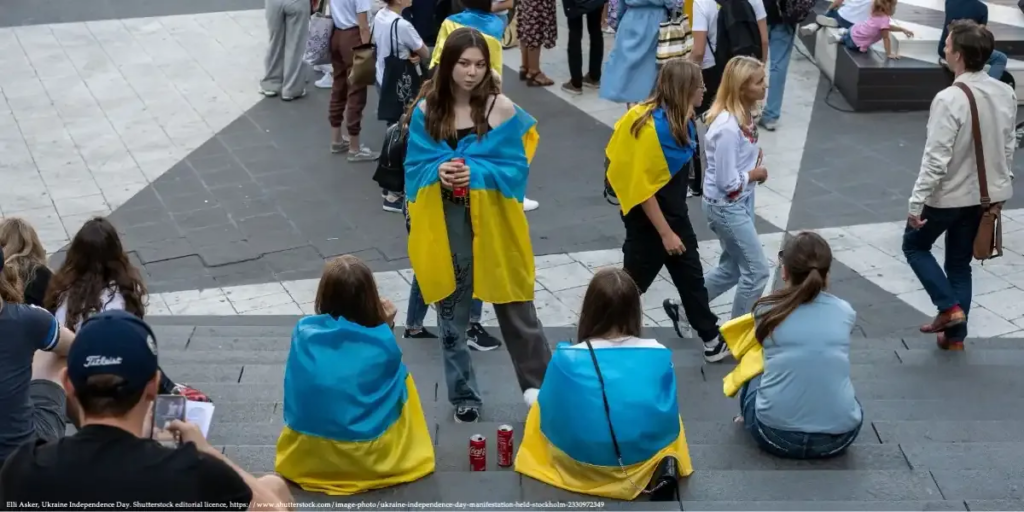
Millions of Ukrainians remain displaced, businesses face growing labour shortages, and thousands of veterans will need rehabilitation and new career opportunities after returning from the front. These are not only social issues but also economic ones. A rebuilt factory cannot operate without skilled workers, and new investments will succeed only if people choose to live, work, and build their future in Ukraine.
As Matthias Schmale noted, “People are central to recovery.” Refugee return, veteran reintegration, and greater participation in the labour market will shape Ukraine’s economic future just as much as investment and infrastructure.
Recognizing this, Ukraine’s reform agenda goes beyond rebuilding physical assets. Through the Ukraine Facility, the government is investing in vocational education, healthcare, rehabilitation services, employment opportunities, and social protection while continuing decentralization reforms that empower local communities to lead recovery efforts.
Ultimately, successful reconstruction will not be measured only by the number of buildings restored. It will be measured by whether Ukrainians choose to return home, whether businesses can find skilled workers, and whether communities can offer people security, opportunity, and confidence in the future.